

Environmental Remediation Solutions for Soil & Groundwater
Proven chemistries, innovative remediation technologies, and technical expertise to address complex contamination challenges. Carus provides solutions for soil and groundwater remediation, from established ISCO and bioremediation technologies to an expanding portfolio for PFAS management and material reuse.
Contaminants We Help Address
- PFAS: Solutions for immobilizing and managing PFAS in soil, groundwater, and impacted materials.
- Chlorinated Solvents: Proven treatment approaches for chlorinated contaminants in soil and groundwater.
- Petroleum Hydrocarbons: Remediation solutions supporting the treatment and biological degradation of petroleum contamination.
- 1,4-Dioxane: Treatment approaches for this persistent and highly mobile groundwater contaminant.
- Other Organic Contaminants: Solutions applicable to phenols, PAHs and other contaminants depending on site conditions.

Understanding Remediation Technologies
Every remediation site presents a unique set of challenges. The right treatment approach depends on factors such as the contaminants present, site conditions, treatment objectives, and project requirements. Understanding the available remediation technologies—and how they work—can help identify the most effective approach for each site.
In Situ Chemical Oxidation (ISCO)
ISCO introduces chemical oxidants into contaminated soil or groundwater to break down targeted contaminants. Carus has extensive experience with permanganate-based ISCO technologies for contaminants such as chlorinated solvents.
Bioremediation
Bioremediation uses or enhances naturally occurring biological processes to degrade contaminants. Carus solutions can support microbial activity and improve treatment of petroleum hydrocarbons and other suitable contaminants.
PFAS Immobilization
Unlike technologies designed to destroy degradable contaminants, immobilization technologies bind PFAS and reduce their mobility, helping limit migration through soil, groundwater, and other impacted materials.
Material Treatment & Reuse
Treatment can also support management and beneficial reuse of impacted materials, creating another pathway for addressing contamination while reducing disposal requirements.
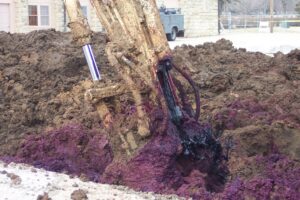
Remediation Technologies & Solutions
In Situ Chemical Oxidation (ISCO)
Permanganate-based technologies for treatment of contaminants in soil and groundwater.
Bioremediation
Biological remediation technologies designed to enhance microbial degradation of contaminants.
- RemActiv™ — Petroleum hydrocarbon bioremediation
- CAP 18® / CAP 18-ME®
- Other applicable biological solutions
PFAS Immobilization & Management
Technologies designed to immobilize PFAS and reduce its mobility through soil, groundwater, and impacted materials.
Material Treatment & Reuse
Solutions supporting treatment and beneficial reuse of impacted materials.
Applications We Serve
Groundwater Remediation
Treatment solutions for contaminants present within groundwater and subsurface plumes.
Soil Remediation
Technologies for treating contaminated soil in situ or as part of excavation and material-management strategies.
Pilot Testing
Support strategic evaluations to assess treatment performance and determine an appropriate remediation approach.
Full-Scale Remediation
Proven technologies and technical support for implementation at field scale.
Emergency Response
Responsive remediation solutions and support for urgent contamination challenges.
Industries & Sites We Support

Airports
Address contamination associated with historical firefighting foam use, training areas, fuel operations, and other airport activities.
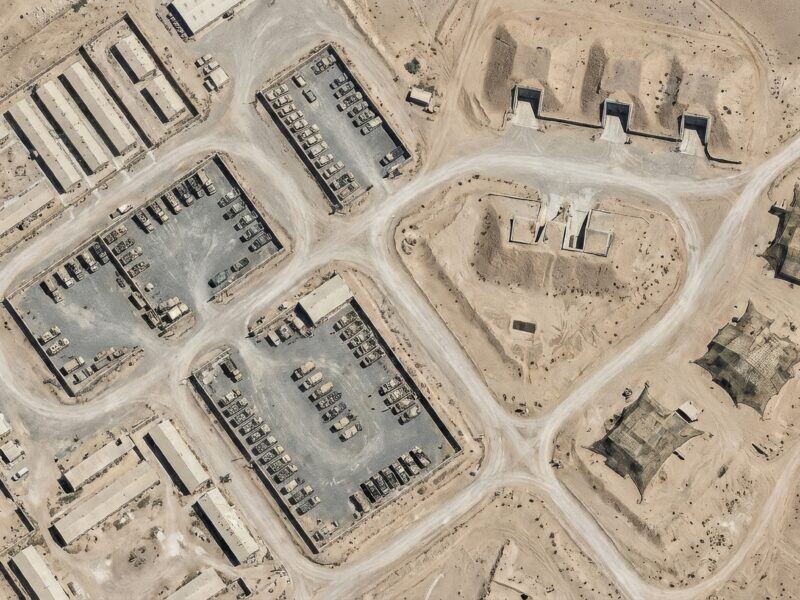
Military Installations
Support remediation of impacted soil and groundwater associated with historical training, firefighting and facility operations.

Industrial Facilities
Address soil and groundwater contamination associated with manufacturing and historical industrial activities.
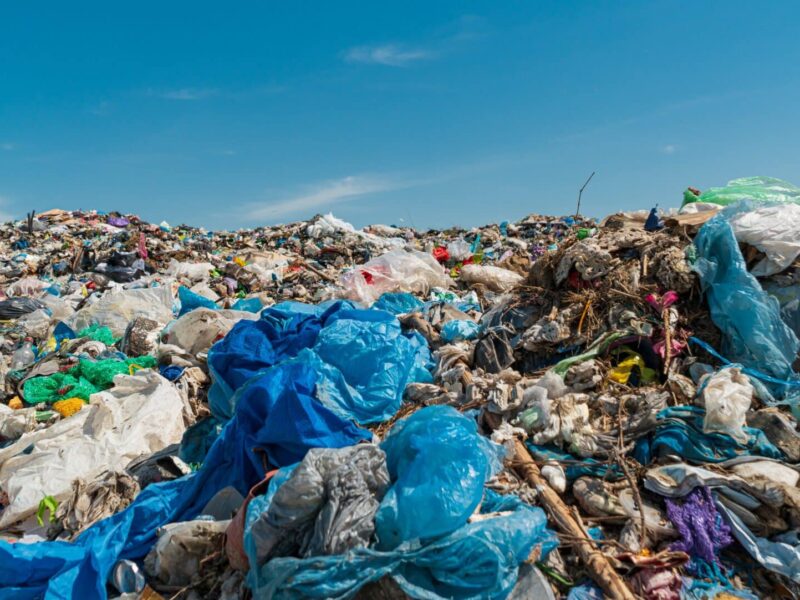
Landfills
Support treatment strategies for contaminants affecting landfill soils, groundwater and surrounding areas.
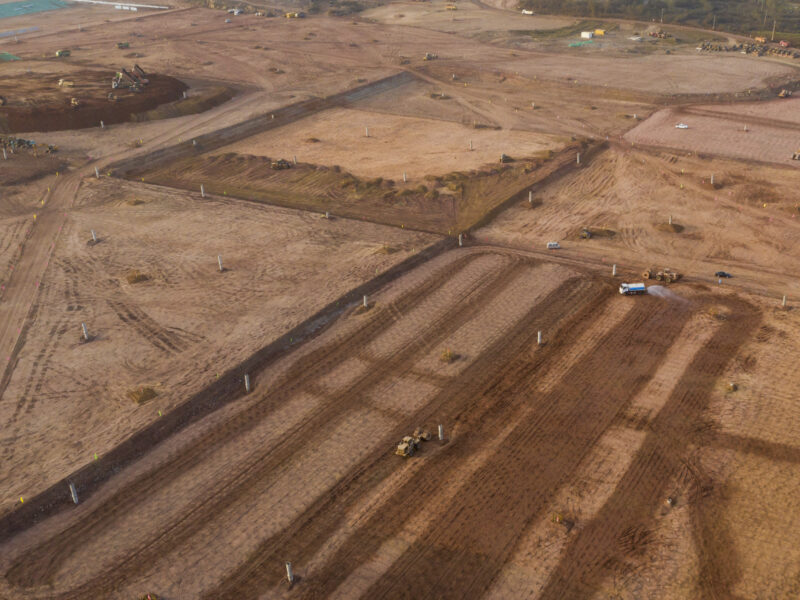
Brownfields & Redevelopment
Help manage contamination and prepare impacted properties for redevelopment and beneficial reuse.

Municipal Infrastructure
Support remediation needs associated with public properties, infrastructure and impacted municipal sites.
New Solutions for PFAS Management
Carus’s expanding remediation portfolio provides new approaches for managing PFAS across soil, groundwater, and impacted materials.
Soil & Solid Materials
Groundwater
Material Reuse & Infrastructure
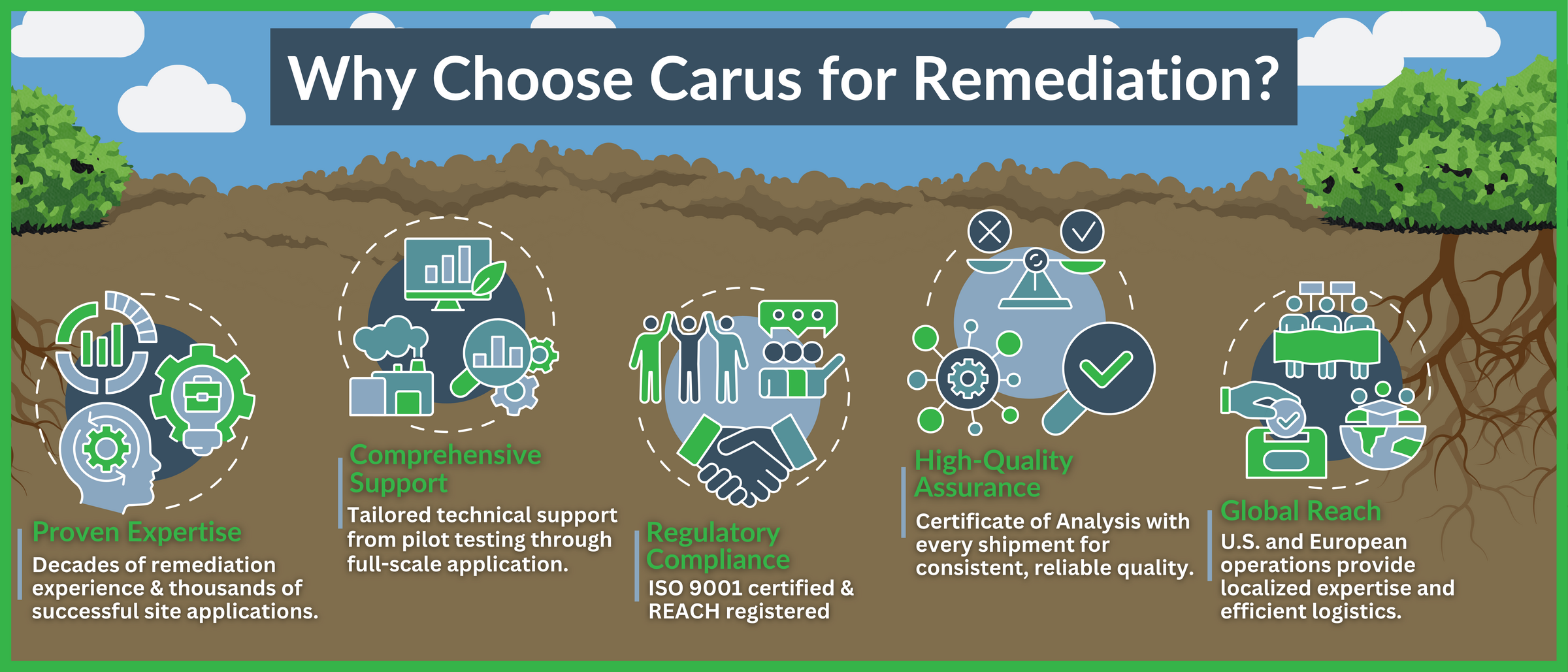
Why Carus for Remediation?
Remediation FAQs
Can permanganate achieve site closure, or is it only for source reduction?
Permanganate has been used to reach site closure at many sites, not just source-area mass reduction. Permanganate chemistry is concentration dependent, so results come down to whether the oxidant is delivered at the right concentration and sustained long enough to work through the treatment zone. Sites that fall short have a delivery or design problem rather than a chemistry problem.
Can permanganate treat contaminants down to detection limits?
Yes. The concern that permanganate cannot reach detection limits comes from sites where oxidant loading or distribution fell short, not from a ceiling in the chemistry. Because performance scales with concentration and contact, reaching low residual concentrations is a function of injection design and how much oxidant reaches the contaminant.
Does permanganate damage wells, pumps, or injection equipment?
No. Permanganate is compatible with typical well construction materials and standard injection equipment, and it is less corrosive than several alternative oxidants. Some contractors charge more to apply other oxidants specifically because of the wear those chemistries put on their equipment. Learn more here.
Is permanganate a good choice for soil mixing?
Yes. For soil mixing applications, permanganate is preferred over other oxidants. It requires no activation, works across a broad pH range, and is less aggressive on mixing equipment than alternative chemistries.
Does permanganate stain equipment?
It can. Permanganate leaves a purple or brown stain on surfaces and equipment it contacts. The staining is cosmetic and is frequently mistaken for corrosion or material damage. It is neither. Carus can provide recommendations on how to remove staining.
Is permanganate persistent in the subsurface?
Yes. Permanganate reacts quickly with target contaminants, but it does not naturally decompose the way peroxide and activated persulfate do. Unreacted oxidant stays available and continues working as it moves with groundwater flow, which is what makes treatment across multiple pore volumes possible from a single application.
Does permanganate need to be activated?
No. Permanganate works without an activator and stays effective across a broad pH range. That removes a variable other oxidant chemistries require you to manage in the field.
Let’s Solve Your Remediation Challenge
Every remediation site presents different contaminants, geology, and treatment objectives. Connect with our technical team to discuss the right approach for your project.