

Carus, committed to sustainability and environmental stewardship, offers versatile CARULITE® catalysts that are designed to enhance air quality by eliminating pollutants like carbon monoxide, ozone, VOCs, and ethylene oxide. These catalysts serve a broad range of applications, from improving indoor air quality in residential, commercial, and institutional settings to industrial emission control for ozone and carbon monoxide destruction. Known for their efficiency and long lifespan, CARULITE® catalysts are key to Carus’ innovative solutions that support healthier environments and global sustainability efforts.
Our Solutions
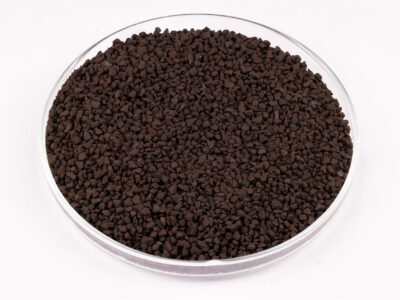
CARULITE® 200 Catalyst
Effectively destroys ozone emitted from various off-gas emissions, converting toxic ozone into oxygen. It is ideal for applications such as water off-gas treatment, digital printers, and corona printing off-gas systems.
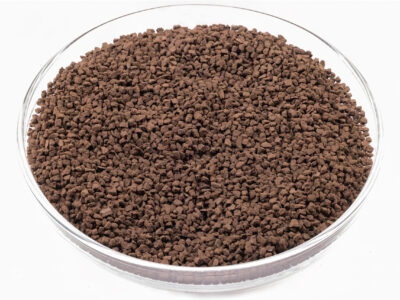
CARULITE® 300 Catalyst
Reliably destroys carbon monoxide in compressed breathing air, respirators, escape masks, and cryogenic gas purification.
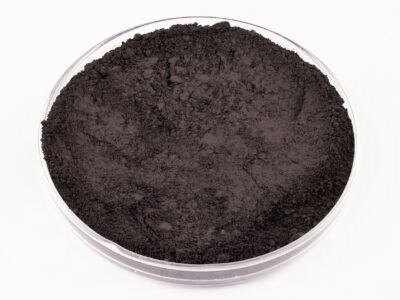
CARULITE® 400 Catalyst
Efficiently destroys ozone or adsorbs various gases and malodors when coated onto substrates like metallic, ceramic, and cellulose materials.
CARULITE® 500 Catalyst
Successfully destroys ethylene oxide emissions from the sterilization of medical equipment and supplies. It converts toxic ethylene oxide into carbon dioxide and water at low temperatures.
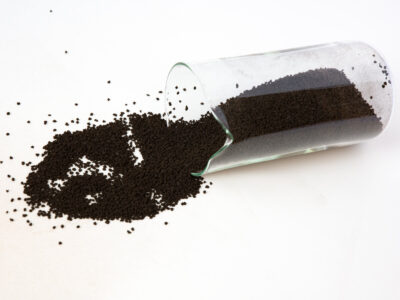
Hopcalite-Like Catalysts for Carbon Monoxide Removal
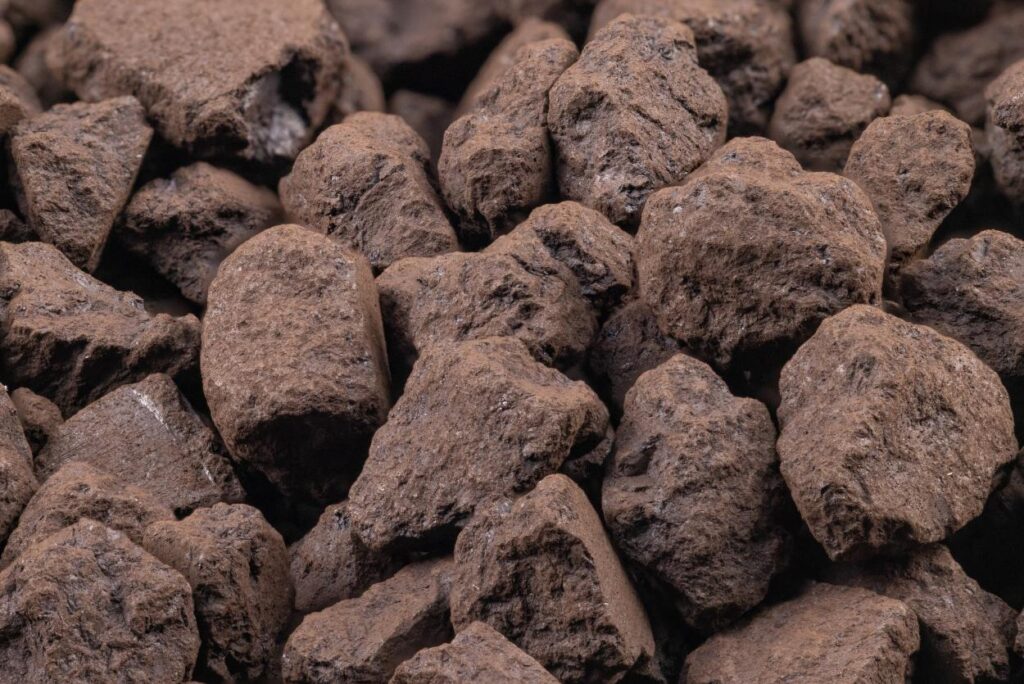
What Is a Hopcalite Catalyst? Hopcalite is a catalyst technology based primarily on manganese oxide and copper oxide that promotes the oxidation of carbon monoxide into carbon dioxide. Hopcalite catalysts have historically been used in breathing air purification systems, respirators, escape masks, mines, military applications, emergency shelters, and gas purification systems that require carbon monoxide …
From Our Blog
Selecting the Right Carus Catalyst: A Guide to CARULITE® 200, 300, 400, and 500
This guide walks you through the process of selecting the best CARULITE catalyst for your application by explaining the chemistry behind each product, reviewing typical use cases, and following a straightforward decision-making checklist.
CARULITE® Catalyst FAQ
Is CARULITE® catalyst considered a hazardous material?
CARULITE® catalysts are generally classified as non-regulated for transportation and are not classified as dangerous goods for shipping under U.S. DOT and many international transport regulations. CARULITE® catalysts are transported as non-regulated materials, which simplifies handling and logistics.
If CARULITE® is non-hazardous for shipping, why does the SDS contain hazard statements?
Transportation classification and workplace hazard classification are different regulatory systems. While CARULITE® catalysts are generally not regulated as dangerous goods for transport, the Safety Data Sheet (SDS) identifies potential health and environmental hazards associated with dust exposure during handling. These may include harmful effects if inhaled or swallowed and precautions related to prolonged dust exposure.
Does CARULITE® require special shipping documentation as a hazardous material?
No. CARULITE® 200 and CARULITE® 300 catalysts are generally shipped as non-hazardous / non-regulated materials under applicable transportation regulations and are not classified as dangerous goods for routine shipment.
Is unused CARULITE® catalyst considered a hazardous waste?
No. Technical data sheets for CARULITE® catalysts state that unused catalyst is not considered a hazardous waste under U.S. 40 CFR 261. However, used catalyst should always be evaluated for contamination from the customer’s process before disposal because operating conditions can affect waste classification.
What precautions should be taken when handling CARULITE® catalyst?
Although CARULITE® is not regulated as a hazardous material for transport, standard industrial hygiene practices should be followed. Personnel should avoid breathing dust and use appropriate PPE such as gloves, eye protection, and respiratory protection when dust generation is possible. Refer to the current SDS for specific handling recommendations.
How does CARULITE® compare to some competitive catalysts regarding hazard classification?
Carus testing has shown that certain competing catalyst products may present compliance concerns, including failure of standard leachability testing that could result in hazardous classification for shipping or disposal. CARULITE® is manufactured under controlled conditions and is supported by comprehensive SDS and regulatory documentation to help customers manage compliance confidently.
Key Takeaway: CARULITE® catalysts are generally classified as non-regulated for transportation and unused material is typically not classified as hazardous waste. However, as with many industrial materials, proper handling procedures and SDS guidance should be followed to manage potential health and environmental hazards associated with dust exposure.
Why Carus?

Innovation & Technology
Carus is committed to ongoing innovation to help our customers solve complex environmental challenges. Our team continuously develops new technologies and refines existing solutions to ensure effective, sustainable outcomes for water, air, and soil treatment.

Technical Support
With our CARULITE® catalysts, we provide technical support on how to select the proper catalyst and how to properly use the catalyst to obtain optimal results. We also provide laboratory testing of customer catalyst samples in appropriate cases.

Customer Support
For over 100 years, Carus has been dedicated to delivering exceptional customer service and support. Our personalized technical expertise and responsive service helps our clients solve their challenges and achieve their goals. We combine responsible chemistry with a customer-first approach.
Our Latest Posts
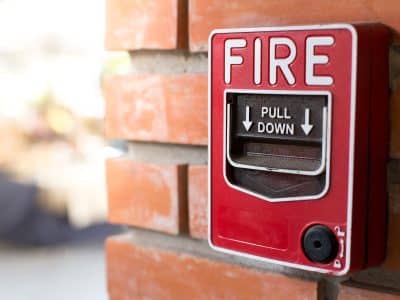
Planned Fire Drill at LaSalle Manufacturing Plant

Carus Introduces PFAS Remediation Solutions Through Exclusive U.S. Sales & Marketing Partnership with RemBind

Evaluating Orthophosphate Corrosion Inhibitors: Performance, Safety, and Operational Considerations

Ready to Get Started?
With a strong foundation in environmental solutions, Carus leverages its expertise to deliver high-performance CARULITE® catalysts for air and gas purification. Our catalysts are designed for long-lasting efficiency, backed by our dedication to sustainability and customer-focused service. Whether you’re improving indoor air quality or managing industrial emissions, Carus provides tailored, reliable solutions that help you achieve regulatory compliance and enhance environmental performance. Contact us today to learn how CARULITE® catalysts can meet your needs.