
• Skip to main content
  • Skip to header right navigation
  • Skip to site footer
  • Facebook
  • LinkedIn
  • YouTube
Latest News: Evaluating Orthophosphate Corrosion Inhibitors: Performance, Safety, and Operational Considerations
The image shows a logo with a stylized swoosh design next to the word "CARUS" in bold, white font on a black background.

Carus

Responsible Chemistry. Innovative Solutions.

  • About Us
    • About Us
    • Leadership
    • Certifications & Sustainability
    • Community Involvement
    • Alliance Transport
    • Locations
    • Contact Us
    • Carus EMEA
  • Solutions
        • Air and Gas
          • Cryogenic Air Purification
          • Ethylene Oxide
          • Indoor Air Quality
          • Ozone Destruction
        • Drinking Water
          • Corrosion Control
          • Iron & Manganese Removal
          • Lead & Copper
          • Radium Mitigation
          • Sequestration
          • Taste and Odor Control
        • Electronics
          • Electronics
        • Equipment
          • Equipment
        • Industrial
          • Industrial
        • Mining
          • Acid Mine Drainage
          • Cyanide Destruction
          • Mining-Influenced Water Treatment
        • Organic Oxidation Synthesis
          • Organic Oxidation Synthesis
        • Soil & Groundwater
          • 1,4-Dioxane
          • Chlorinated Solvents
          • Petroleum Hydrocarbons
        • Wastewater
          • Odor Control
  • Industries
    • Air and Gas
    • Electronics
    • Food and Beverage
    • Mining
    • Municipal
    • Oil and Gas
    • Pharmaceutical
    • Remediation
    • Wastewater
  • Products
        • Permanganate
          • AQUOX® ACS & Pharma Grade
          • AQUOX® Free Flowing Grade
          • AQUOX® Technical Grade
          • CAIROX® ACS & Pharma Grade
          • CAIROX® Free Flowing Grade
          • CAIROX® Technical Grade
          • CARUSOL®
          • CARUSOL® C
          • LIQUOX®
          • RemOx® L ISCO Reagent
          • RemOx® S ISCO Reagent
        • Phosphates
          • AQUA MAG®
          • AQUADENE®
          • CALCIQUEST®
          • CARUS™ 1000
          • CARUS™ 3000
          • CARUS™ 4000
          • CARUS™ 8000
        • Catalysts
          • CARULITE® 200
          • CARULITE® 300
          • CARULITE® 400
          • CARULITE® 500
  • SDS
  • Resources
    • Documents
    • Webinars
    • Data Sheets
    • Case Studies / Literature
    • Blog
  • Careers
  • Request a Quote
Search
Search
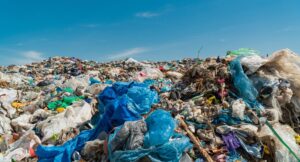
A large pile of garbage under a clear blue sky, consisting of various plastic bags, bottles, and miscellaneous waste. The waste is spread across the ground, creating a colorful yet chaotic scene with environmental implications.

A Beginner’s Guide to Recycling

April 3, 2024

At Carus, we’re committed to environmental stewardship and promoting sustainable practices. One of the most impactful ways individuals and communities can contribute to a healthier planet is through recycling. However, navigating the world of recycling can sometimes be confusing. That’s why we’ve put together this beginner’s guide to recycling, complete with tips and best practices to help you become a recycling pro!

Tips & Best Practices:

Understand What’s Recyclable:

Before tossing items into the recycling bin, it’s essential to know what can and cannot be recycled in your area. Common recyclable materials include paper, cardboard, glass bottles and jars, aluminum cans, and certain types of plastic containers. Check with your local recycling facility or municipality for specific guidelines on what is accepted in your area. (Source: EPA – Recycling Basics)

Clean and Sort Your Recycling:

To ensure that recyclable materials can be properly processed, it’s important to clean and sort them before recycling. Rinse out food containers, remove lids and caps, and separate different types of materials into designated bins or containers. This helps prevent contamination and ensures that recyclables maintain their value. (Source: Recyclebank – The Ultimate Guide to Recycling)

Recycle Properly:

When disposing of recyclable items, be mindful of how they’re placed in the recycling bin. Flatten cardboard boxes, crush aluminum cans, and stack materials neatly to maximize space and efficiency. Avoid placing non-recyclable items, such as plastic bags, styrofoam, and hazardous materials, in the recycling bin, as these can contaminate the recycling stream and cause processing issues. (Source: Recycling.com – Recycling Symbols)

Reduce and Reuse:
recycle symbol vertical image

While recycling is an essential part of waste management, it’s equally important to focus on reducing and reusing materials whenever possible. Opt for reusable items instead of single-use products, and minimize unnecessary packaging by choosing products with minimal packaging or packaging made from recyclable materials. (Source: Earth911 – Reduce, Reuse, Recycle)

Educate Yourself and Others:

Stay informed about recycling practices and updates in your community. Share your knowledge with friends, family, and coworkers to encourage everyone to do their part in recycling responsibly. Consider participating in community recycling events or volunteering with local environmental organizations to further support recycling efforts. (Source: National Geographic – How to Recycle Right)

By following these tips and best practices, you can play a vital role in promoting recycling and protecting the environment for future generations. Together, we can make a positive impact and create a more sustainable world for all.

Share this post
Category: News

Sidebar

Categories

  • Blog
  • Events
  • News

Sign Up for Our Newsletter

Our Latest Posts


A modern industrial facility with large blue tanks, pipes, and machinery. The setup is clean and organized, displaying a complex network of metal tubes and gauges, indicating a high-tech processing environment.

Evaluating Orthophosphate Corrosion Inhibitors: Performance, Safety, and Operational Considerations

Orthophosphate-based corrosion inhibitors remain one of the most widely used tools for corrosion control in drinking water systems. When evaluating …
Read moreEvaluating Orthophosphate Corrosion Inhibitors: Performance, Safety, and Operational Considerations
A hand in a blue glove holds a petri dish containing small black granules over a white surface. Some granules are scattered on the surface beneath.

CARULITE® vs. Activated Carbon: Choosing the Right Solution for Ozone Destruction

Ozone (O₃) is a powerful oxidant used in a wide range of applications, from drinking water treatment and wastewater treatment to digital printing and …
Read moreCARULITE® vs. Activated Carbon: Choosing the Right Solution for Ozone Destruction
Four yellow loudspeakers are mounted at the top of a red metal pole, facing different directions, against a clear blue sky.

Planned Alarm System Testing at Carus LaSalle Facility

On Friday, August 14, at approximately 9:30 AM, Carus will conduct planned testing of its alarm systems at its LaSalle manufacturing facility. The …
Read morePlanned Alarm System Testing at Carus LaSalle Facility
A person in a white lab coat works in a laboratory filled with various glassware and chemicals. Shelves lined with bottles and equipment are seen, as the person focuses on a task at the workbench.

Ready to Get Started?

With over 100 years of experience in chemical manufacturing, Carus is proud to be a trusted global supplier of environmental solutions. We offer comprehensive support in sales, technical service, and customer care. We’re here to provide responsive, localized support wherever you need it.

Request a Quote

Based in EMEA? Visit the Carus EMEA Website

About Us

Solutions

Industries

Products

SDS

Resources

Careers

Contact

The image shows a logo with a stylized swoosh design next to the word "CARUS" in bold, white font on a black background.

+1 815 223 1500
+1 800 435 6856

salesmkt@carusllc.com

  • Facebook
  • LinkedIn
  • YouTube

Copyright © 2026 · Carus Group Inc. · All Rights Reserved · Terms of Use · Social Media Policy · Supplier Code of Conduct