
Passive Surface Water Treatment for PFAS
Reduce PFAS migration in stormwater, drainage channels, runoff pathways, and surface water systems with passive treatment barriers designed to immobilize contaminants as water flows through the treatment zone.
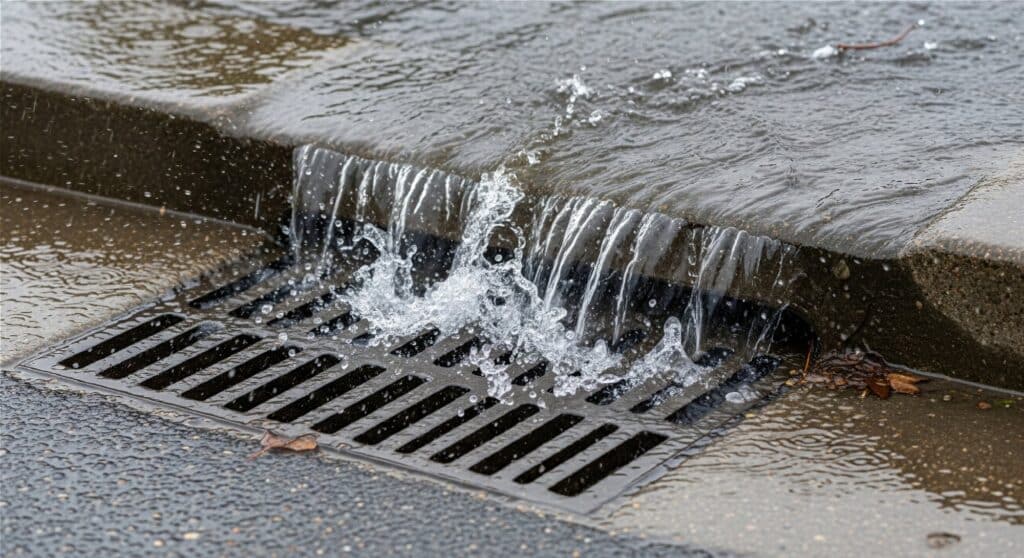
Surface Water Can Be the Fastest PFAS Migration Pathway
PFAS present within stormwater, site runoff, drainage systems, and surface water channels can move significant distances during rainfall events. A single storm event may transport contaminants beyond site boundaries, creating regulatory, environmental, and operational challenges. RemBind® Containment Barriers provide a passive approach for intercepting flowing water and reducing PFAS migration before discharge occurs.
Talk With Carus About Your Surface Water Project
Tell us about your site and a Carus remediation specialist will follow up.
What Are RemBind® Containment Barriers?
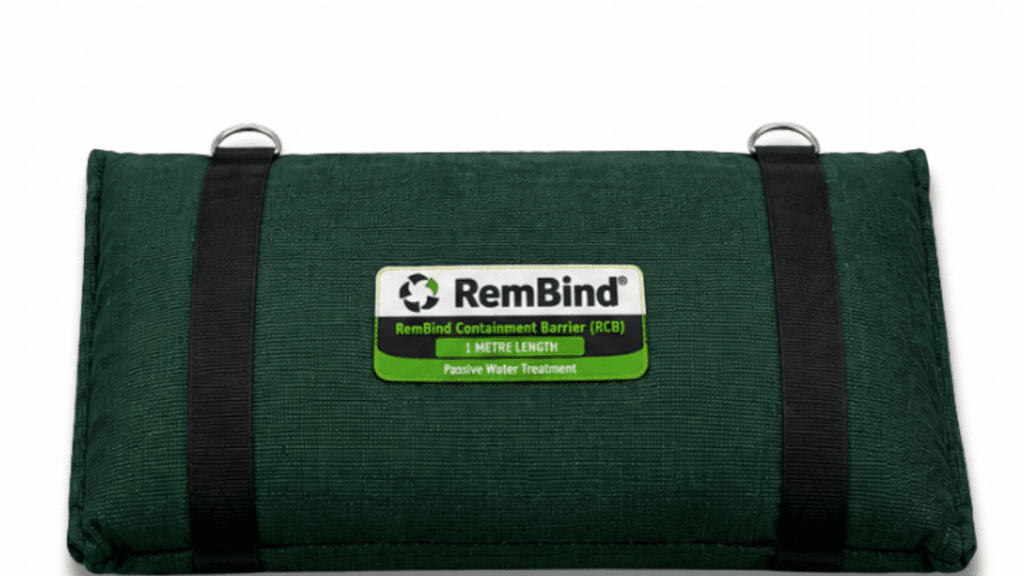
RemBind® Containment Barriers (RCBs) are passive, in-channel treatment systems designed to intercept flowing water and immobilize PFAS using RemBind® Sorbents contained within replaceable recharge cells. Water flows through the barrier while contaminants are captured within the treatment media. No pumps, power systems, excavation, or engineered treatment infrastructure are required.
Key Benefits
Passive treatment with no pumps or power requirements
Treats water as it flows through the system
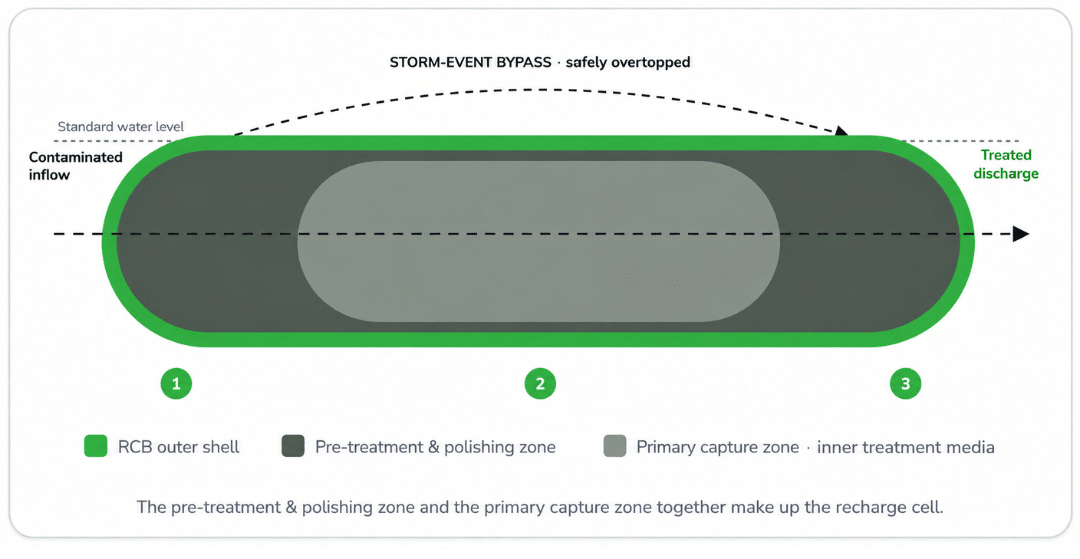
Designed to safely pass storm flows over the barrier
Serviceable recharge cells reduce maintenance complexity
No excavation required for routine media replacement
Flexible deployment across a variety of channel sizes and flow conditions
How RemBind® Containment Barriers Work
Step 1: Water Flows Through the Barrier
RCBs are installed perpendicular to flow within drainage channels, runoff pathways, culverts, and other surface water systems. Water naturally passes through the treatment zone without pumps or external power.
Step 2: PFAS Is Immobilized
RemBind® Sorbents within the recharge cells bind PFAS as water moves through the barrier, helping reduce contaminant loading and migration potential.
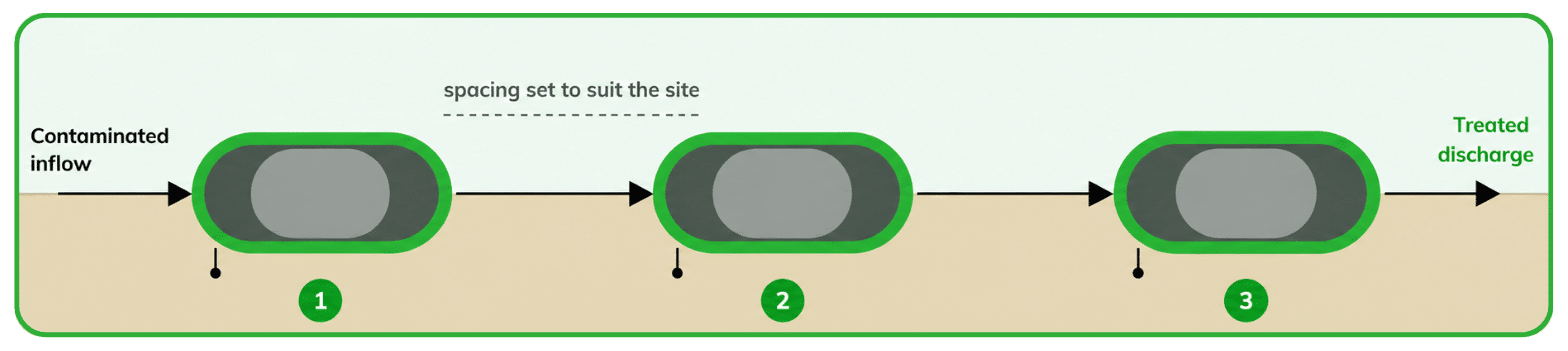
Step 3: Water Is Treated Progressively
Multiple barriers can be deployed in series, allowing water to receive repeated treatment as it moves downstream.
Step 4: Recharge Cells Are Replaced
Treatment media can be exchanged in place without removing the outer barrier structure.
Typical Applications
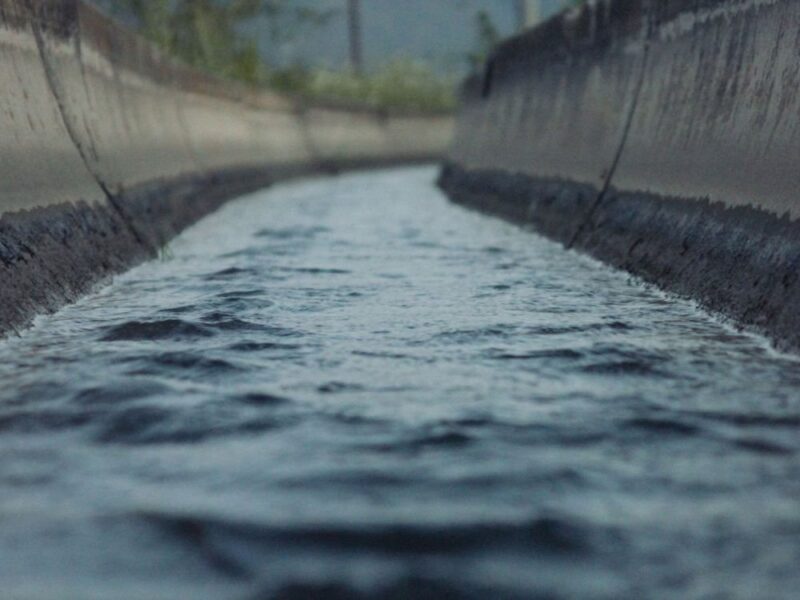
Stormwater Channels & Drainage Lines
Help intercept PFAS before off-site discharge.
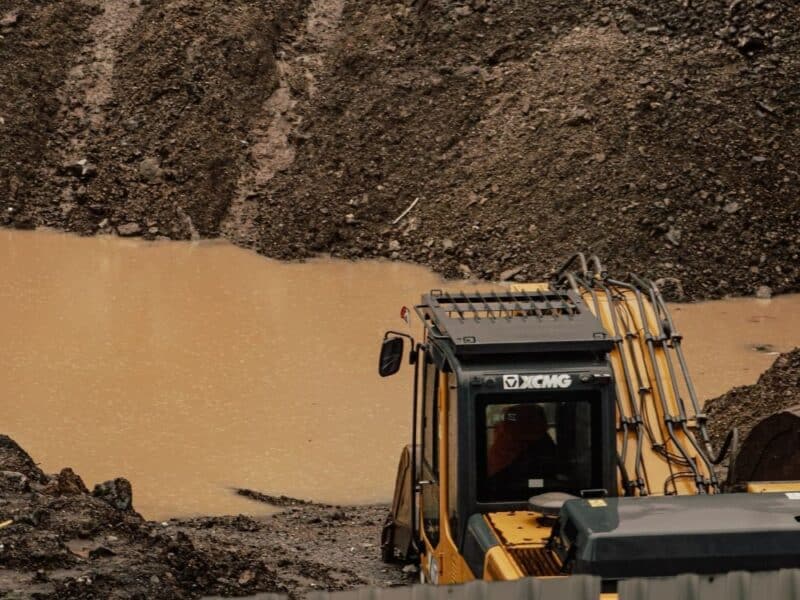
Industrial Facilities
Address PFAS migration through site runoff and drainage infrastructure.

Airports
Support management of PFAS associated with historical AFFF use and impacted runoff pathways.
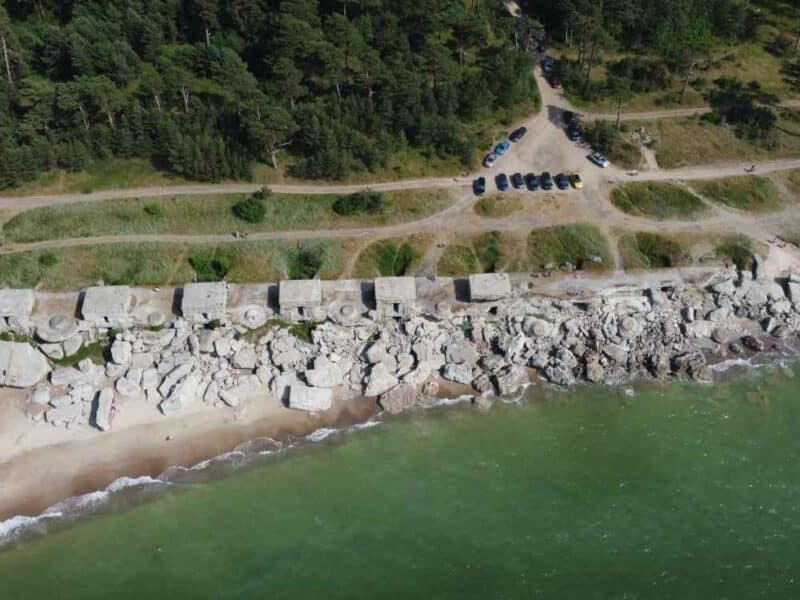
Military Installations
Assist with PFAS migration control within site drainage networks.
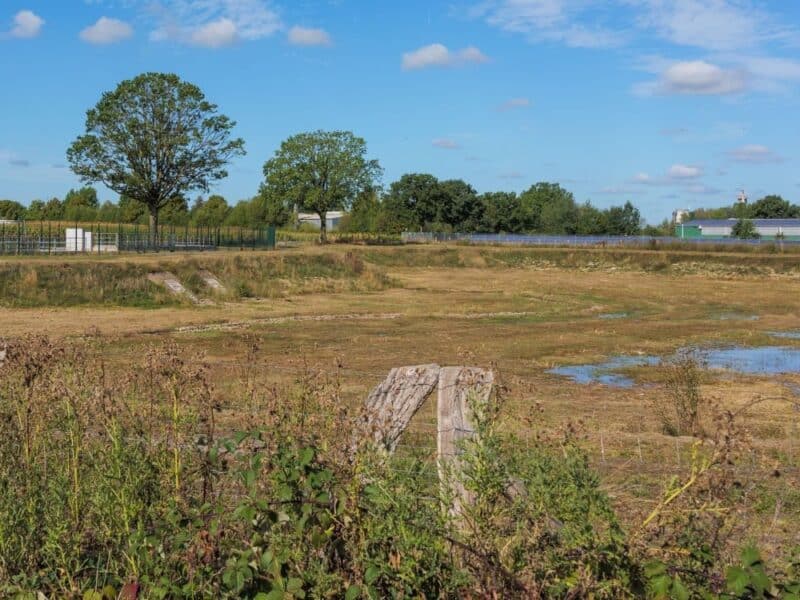
Retention & Detention Basins
Provide passive treatment within surface water management systems.
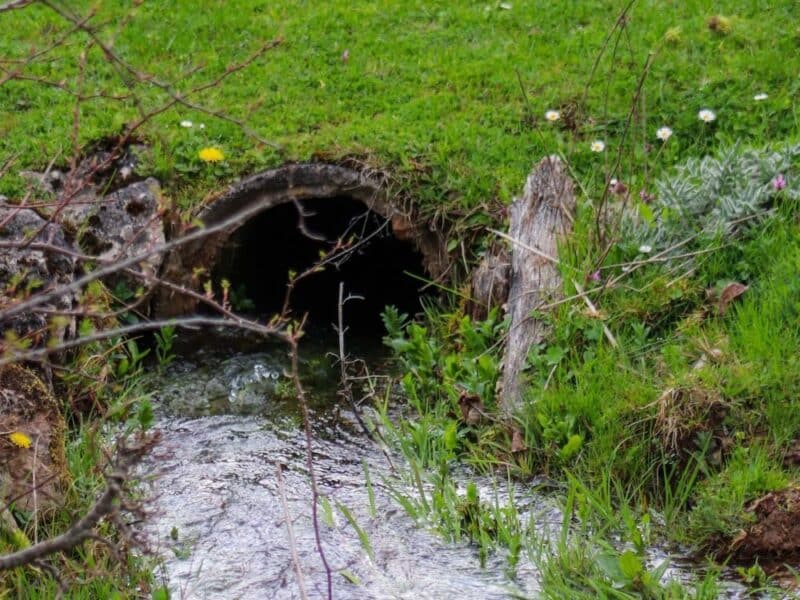
Culverts & Creek Crossings
Support treatment where contaminated water moves through established flow paths.
Available Configurations
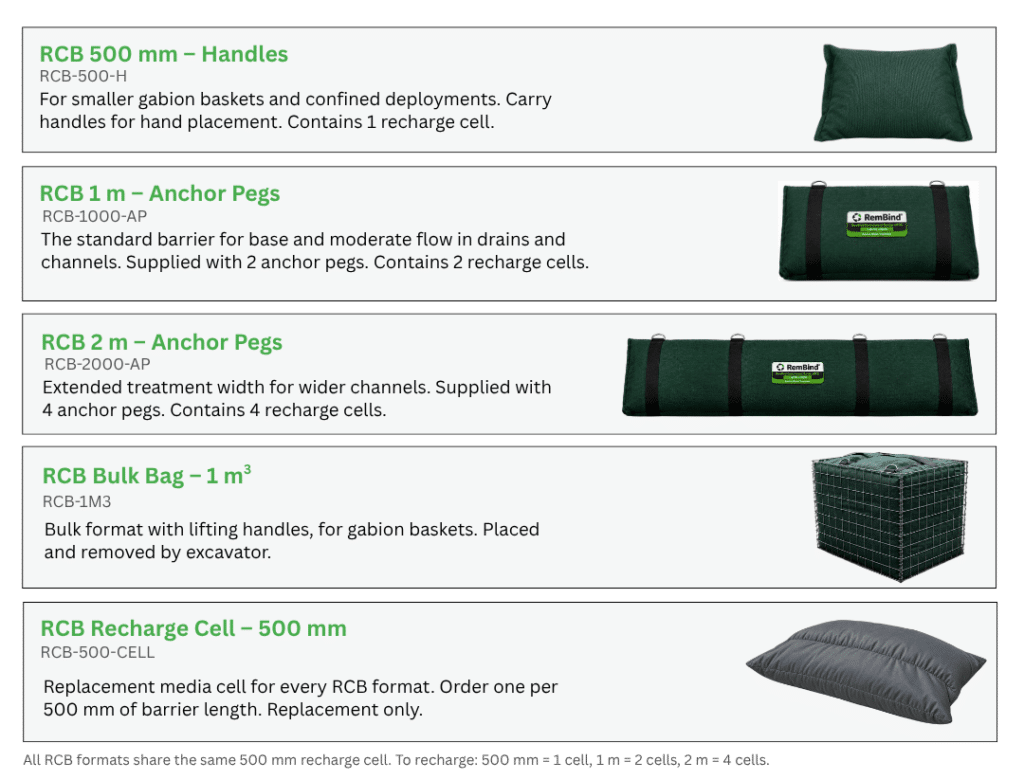
- RCB 500 mm
- RCB 1 m
- RCB 2 m
- Recharge Cell Replacements
- Bulk Deployment Systems
- Gabion Basket Applications for Higher Flow Sites
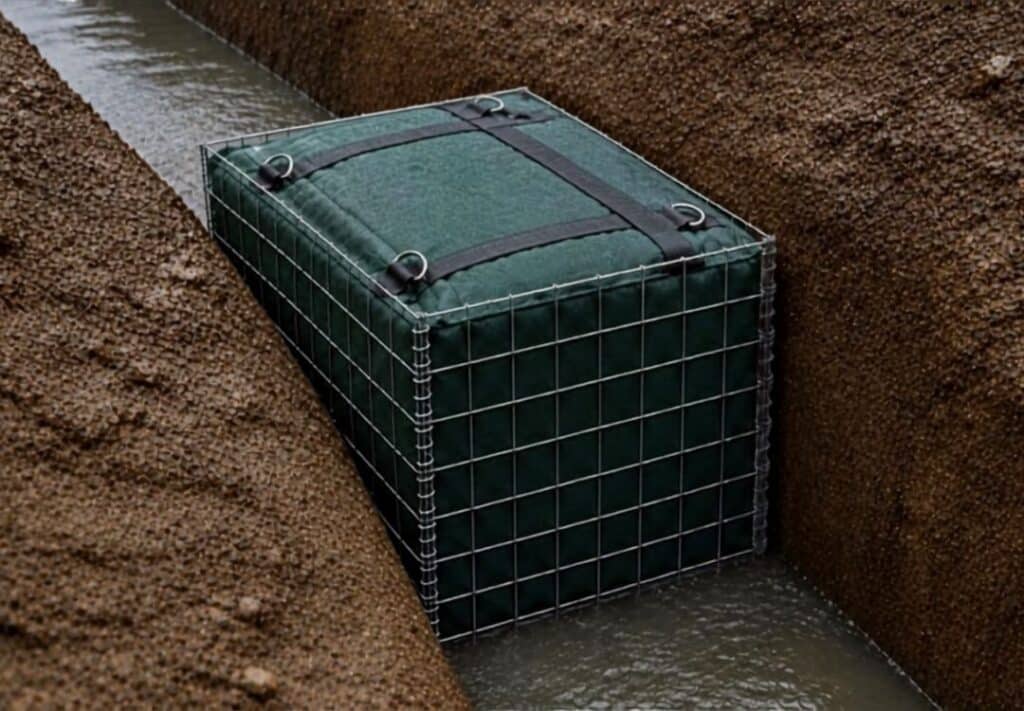
High-Flow Surface Water Applications
For larger channels and higher-energy flow environments, RemBind® recharge cells can be deployed within gabion baskets and other containment structures to provide scalable treatment capacity while maintaining serviceability.
Related PFAS Solutions
- RemBind® Sorbents for PFAS immobilization in soil and solid materials
- RemBind® Inject for groundwater treatment
- RemBind® Well Socks for treatment within monitoring wells
- RemRAP™ for PFAS-impacted asphalt and concrete reuse
Resources

Talk with a Carus Remediation Specialist
Whether you’re evaluating PFAS in runoff, drainage systems, stormwater infrastructure, or other surface water environments, Carus can help determine whether RemBind® Containment Barriers are appropriate for your site conditions and remediation objectives.